It's 7:30am. Breakfast is on the table — sort of eaten, mostly rearranged — and you're mentally calculating whether what went in is enough to get them through to lunch.
Between school runs, PE kits, and the eternal "what's for dinner?" question asked roughly 47 times before noon, it's easy to focus on simply getting food into them — rather than what that food is actually doing once it arrives.
Protein is involved in more than most people realise — growth, immune function, energy, and even how children think and feel⁴ ᵃ ᵇ.
What protein does for growing children
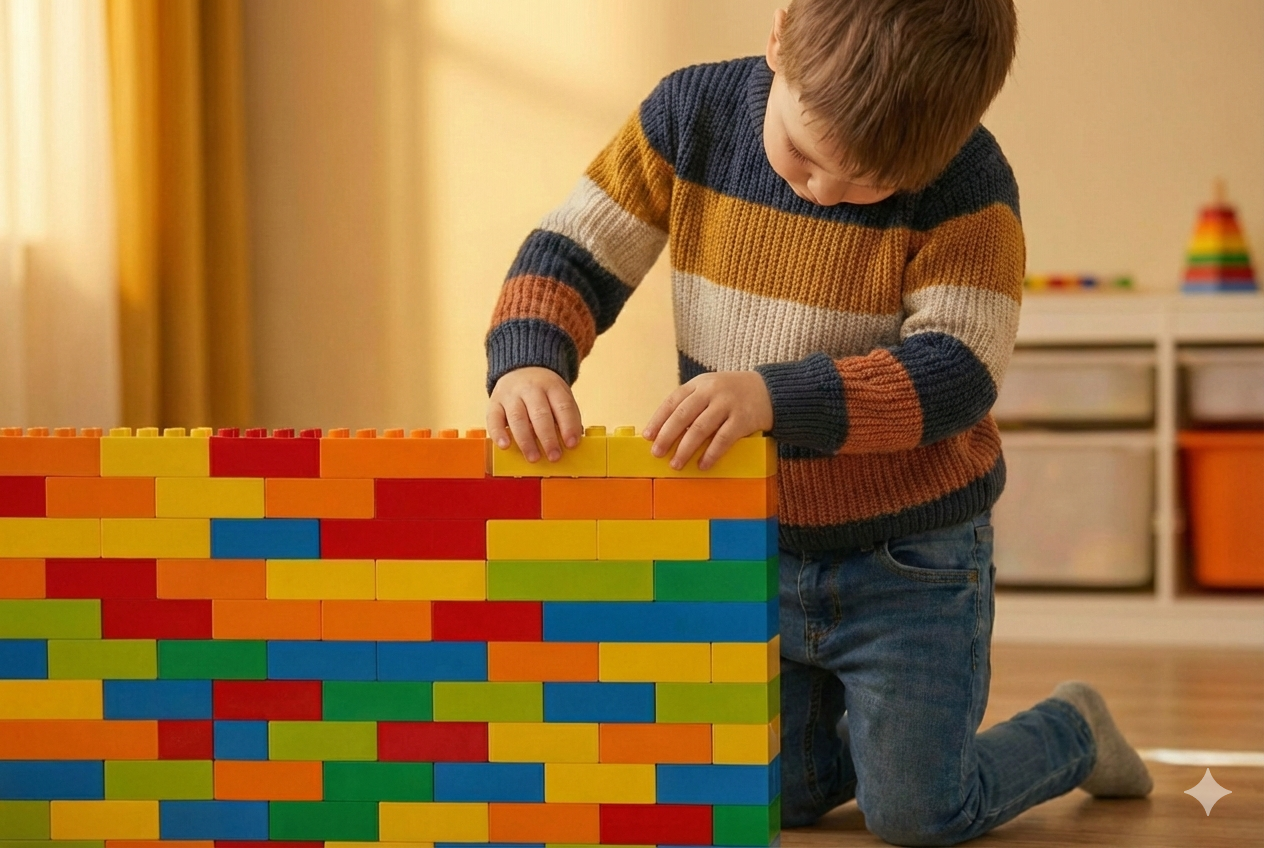
Protein plays a wide role in children's development — think of it as the LEGO bricks of the body. Different pieces get assembled into different things depending on what's needed.
It provides the building blocks for:
- Growing tissues and bones⁴
- Immune cells and antibodiesᵃ
- Enzymes and hormones
- Neurotransmitters involved in mood and focusᵃ ᵇ
When children eat protein, it's broken down into amino acids — the raw materials the body uses to build, repair, and maintain cells. Some of these amino acids also support brain chemicals like dopamine and serotonin, which play a role in attention, motivation, and emotional balance.
Think of protein as the supply chain. It doesn't run the show, but without it, a lot of things start to slow down.
The breakfast gap (yes, it's a thing)
Breakfast is where protein intake tends to fall short.
Many common breakfast foods — cereal, toast, fruit — are carbohydrate-heavy and low in protein. That can mean energy rises quickly, then dips just as children are expected to concentrate, listen, and learn.
Research suggests breakfasts containing protein are associated with steadier energy and improved attention compared with high-carbohydrate breakfasts aloneᵈ ᵉ.
The numbers
General European guidance suggests approximately:
- Ages 4–6: around 15–20g per day
- Ages 7–10: around 20–25g per day
- Ages 11–16: around 30–40g per day
Finding it in the wild
Eggs Around 6g per egg. Scrambled, boiled, in toast, hidden in pancakes — versatile and usually accepted.
Meat and poultry Chicken, beef, turkey — reliable sources when they make it onto the menu.
Fish Including tinned. Tuna sandwiches count.
Dairy Greek yoghurt, milk, cheese — often the easiest protein to get into children without a negotiation.
Plant-based options Beans, lentils, chickpeas, tofu, soy products, nuts, seeds, fortified plant milks.
For plant-based families, combining different sources across the day helps cover the full range of amino acids.
Why it slips
Protein intake tends to dip during:
- Phases of rapid growth, when demand outpaces appetite
- Stretches of narrow or repetitive eating (the "only beige foods" era)
- Weeks where meals are rushed or irregular
- Periods when appetite drops (illness, stress, hot weather, mysterious child reasons)
None of these are unusual — just how childhood works.
Which is why protein intake can quietly slip, even in families where food is generally varied.
Small shifts, real difference
- Pair protein with carbs at breakfast — yoghurt with cereal, egg with toast, milk in porridge
- Keep protein snacks visible — cheese sticks, nuts, yoghurt pouches
- Think patterns, not perfection — consistency across the week matters more than any single meal
The takeaway (not that kind)
Protein won't fix homework resistance or improve selective hearing. It won't turn mornings into calm, Pinterest-worthy scenes.
But it supports the systems children rely on — growth, immunity, energy, focus — in that steady, undramatic way that only gets noticed when something's missing.
Sometimes supporting the fundamentals is the most useful thing you can do — especially when everything else feels like negotiation.
Come and say hello
There's a growing community of fellow saints on Instagram—come say hello. Or leave your email, and we'll drop into your inbox now and then with things worth reading.
This is general information, not medical advice. If you have questions about your child's health, your GP or a registered healthcare professional is always the right place to start.
Supporting references
ᵃ Uauy R et al. Role of Protein and Amino Acids in Infant and Young Child Nutrition. Journal of Nutritional Science and Vitaminology. ᵇ EFSA NDA Panel. Dietary Reference Values for protein. EFSA Journal. ᵈ Hoyland A et al. Effect of breakfast on children's cognitive performance. Nutrition Research Reviews. ᵉ Benton D et al. Influence of breakfast composition on behaviour in schoolchildren. Physiology & Behaviour.
Authorised nutrition and health claims are presented separately in the page footer.